Choosing the Best Elementary School for Your Child
Picking the right elementary school for your child is exciting but can feel tricky. From ages 5 to 11, kids build the foundation for their education and develop their attitude toward learning. This guide explains what makes a great elementary school, why it matters, and how you can find the right one for your child.
1. Why Elementary School Matters
Elementary school is more than learning letters and numbers. It’s when kids develop key skills like reading, writing, math, and problem-solving. It’s also when they form habits and attitudes about school. A good school helps kids love learning and builds a strong base for their future. Research shows that early learning, like a rich curriculum, boosts reading and academic success later on.
2. What Makes a Great Elementary School?
Here are the key things that top schools have in common:
a) Safe and Welcoming Environment
Kids need to feel safe and valued to learn well. Great schools have clear rules, kind staff, and a positive vibe. This helps kids feel confident to ask questions, try new things, and learn from mistakes.
b) Great Teachers and Leaders
Good schools have passionate, well-trained teachers and strong leaders. Teachers should understand each child’s needs and keep improving through training. Stable leadership with a clear plan makes a big difference.
c) Strong Academics and Well-Rounded Growth
Top schools teach core subjects like reading and math but also spark curiosity, creativity, and teamwork. They help kids manage emotions, build friendships, and grow empathy through social-emotional learning.
d) Child-Focused and Inclusive Teaching
Every child learns differently. Great schools use varied teaching methods, like hands-on projects or group work, to suit different needs. They make sure all kids, including those who need extra help, can succeed.
e) Good Facilities and Resources
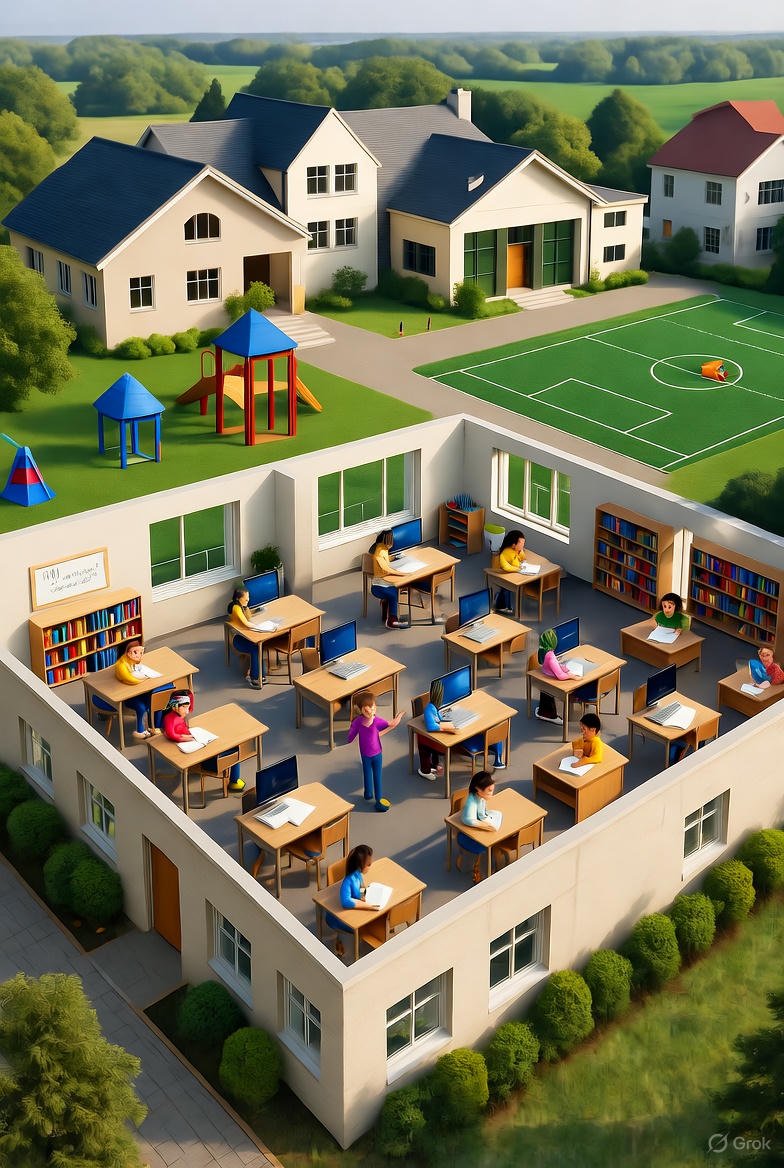
A school’s building and tools matter. Look for updated classrooms, libraries, tech, sports areas, and safe playgrounds. These give kids more ways to learn and explore.
f) Strong Family and Community Ties
Great schools work closely with parents, share updates, and involve families in decisions. They may also connect with the local community to support kids’ learning.
g) Always Improving
The best schools keep getting better. They ask for feedback, try new ideas, and have a clear vision for helping kids grow.
3. How to Choose the Right School
Here’s how to find a school that fits your child:
Step 1: Know Your Child’s Needs
- Does your child need more one-on-one attention or do they thrive in big groups?
- Do you want a school that focuses on arts, sports, science, or a mix?
- How important are location, cost, or the school’s schedule?
Step 2: Visit the School
Seeing a school in action is key. Schedule a tour to:
- Check if classrooms feel engaging and teachers are involved.
- See if the school feels welcoming to parents and kids.
- Look at the condition of classrooms, playgrounds, and resources.
- Ask: How does the school help kids with different needs?
- Ask: How do teachers and parents stay in touch?
- Ask: What activities (like art or sports) are offered?
Step 3: Ask the Right Questions
Here are some questions to ask:
- What’s the class size and student-teacher ratio? (Smaller classes mean more attention.)
- How experienced are the teachers? Do they get regular training?
- What’s the curriculum like, and can it adapt to different kids?
- How does the school help kids who struggle or excel?
- What values does the school teach?
- What facilities (like libraries or tech) are available?
- How does the school use technology in learning?
- How safe is the school, physically and emotionally?
- What’s the school’s vision, and how does it measure success?
Step 4: Trust Your Gut
After visiting, think about how the school felt. Were the staff friendly? Did the kids seem happy? A school might look great on paper, but it should also feel right for your child.
4. What a Great School Looks Like
Imagine a school where:
- Your child is excited to go every morning.
- Teachers know your child’s strengths and needs.
- Lessons are fun, hands-on, and tied to real life.
- Kids learn reading and math but also explore art, music, and sports.
- Mistakes are okay, and kids are encouraged to ask questions.
- The school is safe, clean, and full of resources.
- Parents feel involved and informed.
- The school keeps improving to help kids thrive.
This kind of school builds not just smart kids, but curious, kind, and confident ones.
5. Final Thoughts
Choosing an elementary school is a big decision. It shapes how your child learns and grows. No school is perfect, but by focusing on these qualities and doing your research, you can find one that’s a great fit. A good school helps your child learn, grow, and love learning.
If you’d like, I can help you find and compare elementary schools in Karachi or other parts of Pakistan, considering fees, boards, or local details. Just let me know.