box cars: When you think of a “rail car”, you probably imagine a freight car. Considered one of the most iconic pieces of railway equipment in books, movies and TV, freight cars are definitely the most famous.
Perhaps this is because wagons are one of the oldest types of wagons, first appearing on the market in the 1830s. For over a century boxcars were used to transport most non-bulk cargo (even wagons!).
This changed in the 1960s, when more specialized carts came on the market that were better suited to certain types of goods.
However, freight wagons still play an important role in transporting all kinds of goods, from paper to canned goods to household appliances.
What can be transported in a freight wagon?
Freight wagons are very versatile and can transport most types of goods. Because they are enclosed, freight cars are used to transport cargo that needs to be protected from the elements.
Common goods transported in freight wagons include:
·Forest products
·Paper
· Mass
· Car parts
·Newspaper
·Roll paper
·Building materials
·Palled goods
·Units
·Food
· Preservation
·Drinking
·Seed
·Packaged flour
·Packaged agricultural products
·Consumer goods
·Metal products
·Manufactured goods
What does a goods wagon look like box cars?
Freight wagons box cars look… very much like a box (hence their name). A typical goods wagon is rectangular in shape, fully enclosed and has sliding or pocket doors on the sides.
How big is a freight wagon?
Box trucks can vary in size, but their interior length is usually between 50 and 60 feet and the minimum interior width is 9 feet.
What are the different types of freight wagons?
·50-foot boxcars – 50-foot boxcars transport goods such as paper, lumber, packaged goods and beverages. The exterior of these freight cars are between 55 and 60 feet long;
Inside, the average interior length is 50 feet and the capacity varies from 4,950 to 7,300 cubic feet. They can carry loads between 146,000 and 215,500 pounds.
·60-foot box trucks – 60-foot box trucks transport goods such as roll products, paper, lumber, packaged goods and beverages.
The exterior of these freight cars are between 66 and 69 feet long; Indoors, their interior length averages 60 feet and they have a capacity of 5,830 to 7,633 cubic feet.
They can carry loads from 165,000 to 206,500 pounds.
Insulated freight wagon for box cars
·Insulated freight wagon – Insulated freight wagon transports canned goods, packaged goods and beverages. The exterior of this freight car is between 57 and 71 feet long;
Indoors, they have a capacity of 4,700 to 6,560 cubic feet. They can carry loads from 133,400 to 200,000 pounds.
·Refrigerated goods wagon – The refrigerated goods wagon is heavily insulated box cars and equipped with refrigeration units that keep fresh, frozen and perishable goods at optimal temperatures during transport.
Freight wagons used for refrigerated transport are also called “refrigerated containers”. Their interior lengths vary from 64 to 72 feet.
What are the different types of cardboard doors?
Freight wagons are available in two door types, the pocket door and the sliding door (corrugated) and can have one or two doors per side, giving four options:
·A plug
·Simple slider
·Double contact
·Double slider
Single Doors vs. Double Doors:
Single doors are 10 feet or 12 feet wide and double doors are 16 feet wide.
Sliding doors: The sliding door system protects against both weather and direct sunlight. It slides into a door rail with two rollers and can be opened or closed by pulling the door handles.
Pocket Doors: The pocket door system closes with a final inward movement (similar to most sliding cabinet doors) that places the door flush with the interior of the freight car.
This ensures a significantly better seal than with closed freight wagons with sliding doors. A rotating lever on the door activates a gear system to “engage and disengage” the door.
Automatic setting
How to build car racks: Car racks are made of metal and are completely enclosed to protect vehicles from the elements. Metal “racks” inside form levels (also called “decks”) in the car.
The multiple levels of the trolleys maximize the load space as vehicles can be safely stacked during transport without damaging the vehicle.
Traditionally, there are two types of car racks: Bi-Level, which has two levels and can be used for all types of vehicles, and Tri- Level, which has three and is usually used for smaller passenger vehicles.
center beam
What center beams carry: Bulk goods such as lumber, drywall, fence posts, and other building materials.
How center racks are built: Not surprisingly, a center rack has a “center rack” or divider that strengthens the center of gravity and ensures that the products are secured in place.
Covered funnel
What covered hoppers transport: Free-flowing dry bulk materials such as cement, roofing granules, sand, corn, wheat, barley, fertilizer, soda, sugar and rice.
Here’s how covered warehouses are built:
Covered containers have an open top into which products can be loaded and a sloping bottom that allows products to be unloaded through doors in the bottom using gravity.
The top is then covered to protect the contents inside.
Coil trolley
What coil cars transport: Coil cars are designed for products such as coil steel, sheet steel or high-grade ores.
This is how coil cars are built: Coil cars are available in different lengths, tonnage and capacity for special goods.
For example, some washer carts are designed to prevent coils from rolling, some have side mounts so that the load can be secured without the use of lines, and others are designed so that no special measures are required to secure the load.
Although coil overs often carry goods that cannot be damaged by the elements, covered coilovers are also available to provide this protection if needed.
Flat car
What flatbed trucks transport: Pipes, rails, steel plates, machinery, steel beams, tractors, military vehicles, timber, posts and logs.
How flat cars are built: Flat cars are, well… flat. Some have an open design with a simple flat, level platform and others have baffles at each end to prevent the load from shifting.
Like spiral cars, flat cars come in a variety of lengths, tonnages and capacities and are ideal for cargo that won’t be damaged by the elements.
The open design of flat carts enables the transport of oversized and unusually shaped goods.
Gondola
What nacelles carry: Heavy bulk cargo, including scrap, ballast, logs, timber, steel, sand, copper and iron ore.
How gondolas are built: Gondolas are sturdy carriages with low side walls and an open roof. Imagine a freight car cut in half horizontally and you have a gondola.
Inter modal equipment
What inter modal equipment carries: A wide range of goods, from clothing to electronics to refrigeration and more.
How inter modal equipment is built: Inter modal equipment includes containers (which resemble freight cars without railroad wheels) and trailers (the part of a truck that carries goods).
Containers can be transferred between ships, trains and trucks without the cargo having to be unloaded or reloaded (a process commonly known as inter modal transport).
Similarly, trailers can be moved between trucks and rail cars. For transport by rail, trailers are loaded on flatbed wagons and containers are loaded on mining wagons.
Open funnel
What open bins transport: coal, petroleum coke,box cars sand, rock and copper concentrate. How open hoppers are constructed:
An open container is similar to a covered container in that it has an open top for loading and a sloping bottom with doors for unloading.
The difference is that open hoppers do not have lids and are therefore better suited for cargo that can be exposed to the elements.
Refrigerated freight wagons
What refrigerated trucks transport: Other goods such as fresh fruit, vegetables, frozen foods, beverages, meat, poultry, seafood, cheese and other refrigerated shipments.
Here’s how refrigerated trucks are built: Refrigerated trucks (often called “refrigerated trucks”) are similar to traditional freight trucks, but have one very important difference:
They are temperature controlled.
Tank truck
What tankers carry: Compressed or liquid goods such as chemicals, molasses, tallow, water, asphalt, diesel fuel and diesel exhaust fluid (DEF).
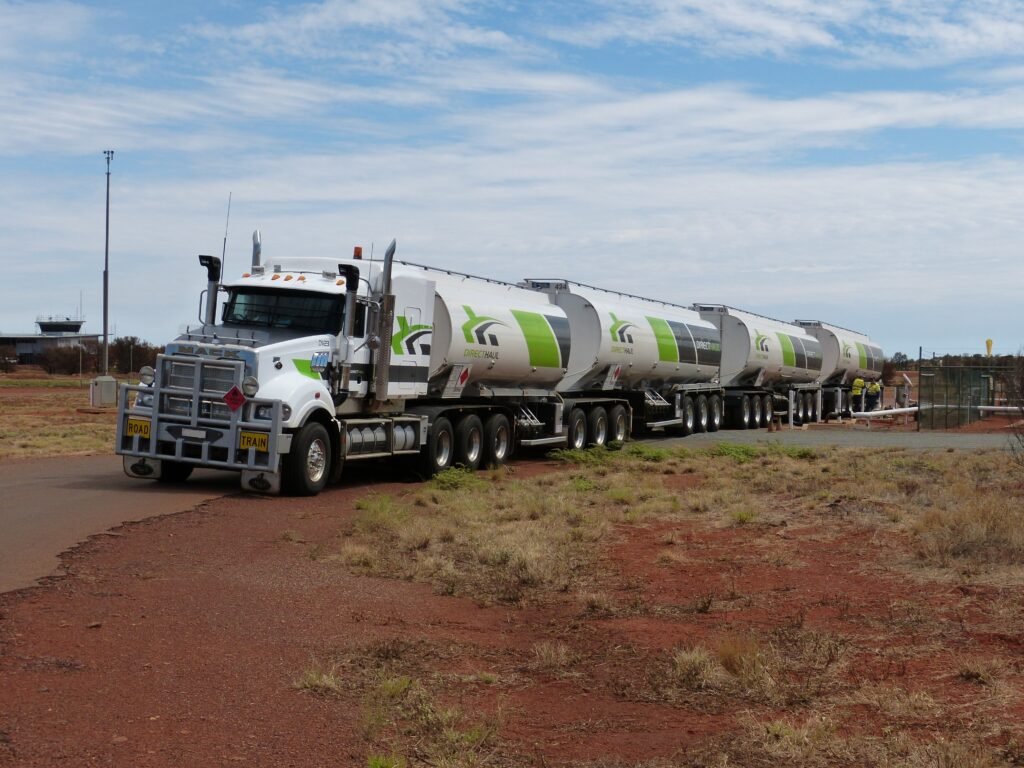
How Tankers Are Built: The structure of a tanker is literally a tank designed to hold liquids.
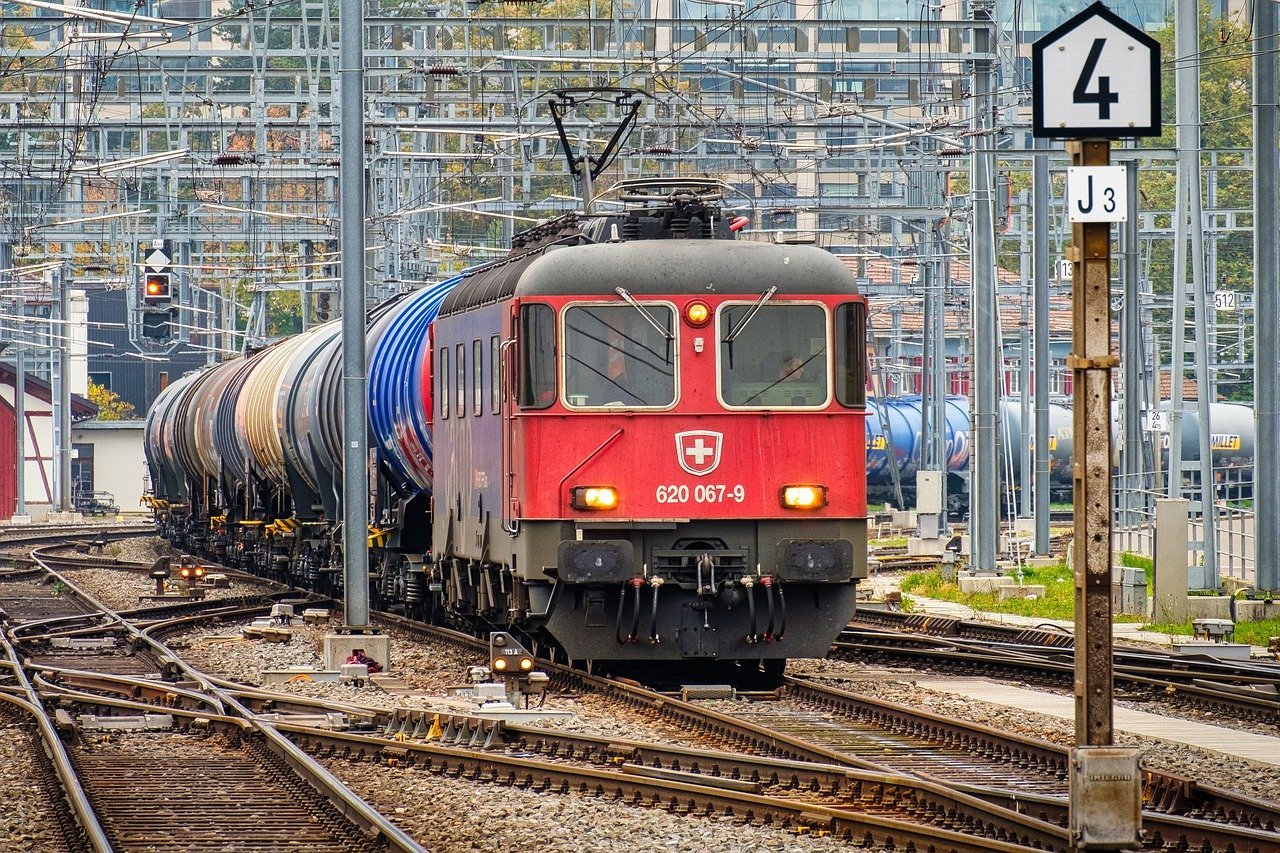
Tank cars are more cylindrical than other railroad cars: imagine a barrel tilted on its side, extended and widened to hold anything from 6,500 gallons to more than 31,000 gallons, and you see a tank car.
Well wagon
Which wagons transport well: inter modal containers that can hold a variety of box cars goods.
Here’s how corrugated wagons are built: Corrugated wagons, also called “stack wagons” or “well wagons”, are specially designed so that inter modal containers fit tightly into them.
The “well” is a cavity located near the rail. Because well wagons are lower than flat wagons, containers can be stacked on top of each other, with two containers per well wagon.
How is a freight wagon loaded and unloaded?
Originally, boxcars were loaded and unloaded by hand. Today, unloading takes place with forklifts or other mechanical equipment to make loading and unloading safer and faster.
In conventional freight wagons, the products are loaded and unloaded through sliding doors or pocket doors on the side of the wagon. These doors are located in the middle of the freight cars.
Why are freight cars called “box cars”?
Boxcars are named after their shape, which resembles a box.
Interesting facts about freight wagons
·Originally, freight cars were made of wood, which was sturdy but posed a fire hazard and shortened their lifespan.
For this reason, wooden freight cars were banned in the late 1960s and gradually removed from the railway fleet.
The new wagons had steel frames which made them fireproof and also made it possible to build longer wagons that could carry more products. These carts have a much longer lifespan, typically 50 years.
·Freight wagons were used for bulk cargo such as coal until there were open and covered warehouses that made loading and unloading bulk cargo easier.
·Freight trucks were used to transport cars until the 1960s, when car racks appeared, which carried more cars in the same space and were easier to load and unload.
More information
Contact us for more information about boxcars or shipping paper, canned goods, packaged agricultural products, lumber, packaged goods or just about anything else shipped by rail.
Want to learn more about other types of rail car equipment, including auto racks, covered hoppers, tank cars, hoppers, flatcars and gondolas? Check out our guide to track vehicle types like box cars .