How to keep your classic car running and looking good
The secret to keeping your classic car running and looking good is to maintain a regular maintenance schedule and have it inspected by the professionals at Milito’s Auto Repair in Chicago.
How do you ensure this classic car remains a classic?
If you believe the late-night infomercials, there are miracle cures and remedies that can repair any paint scratches or keep your classic car’s engine running like new.
It’s a nice thought, but the truth is that all the quick “fixes” and specially formulated car care products you can find will not guarantee that a classic car will continue to run and look good.
The secret behind this success? This is the regular care and maintenance required for older vehicles. By following these simple tips, you will make a real difference to both the appearance and performance of your classic car.
Change transmission oil and differential oil
It is advisable to take your classic car to Milito’s Auto Repair to have these fluids replaced by an experienced mechanic. They look for metal shavings in the old fluid.
If no chips are visible, you can add new fluid immediately or remove the cap and clean everything before adding new fluid.
Change the oil for classic car repair
The average classic car or truck typically drives less than 1,500 miles per year, so you might think you don’t need to change the oil that often.
But the oil in a vintage engine that sits idle for months can break down due to residual gases, dirt and other contaminants created while driving.
Regardless of how many miles you drive, engine oil should be changed every six months.
Flush the cooling system
Whether you have a classic car or a brand new car, the cooling system should be flushed at least once a year. T
o prevent the system from corroding or forming deposits that can restrict flow through the system, replace the old coolant with a fresh 50/50 mixture of coolant and distilled water.
Clean it
When it comes to your classic car’s paint, there’s nothing like washing your car regularly to remove harmful contaminants like salt and road grime that make paint more dirty.
Be sure to clean the underside of the vehicle to keep all exposed areas clean and free of corrosion.
Check your ball joints for classic car repair
Ball joints connect the control arm to the steering spindle and should be inspected according to the manufacturer’s scheduled maintenance or at each oil and filter service.
While a dry ball joint breaks quickly, a properly lubricated joint can last a lifetime.
Lubricate your drivetrain
Just as your ball joints need lubrication, many components in your drivetrain also need lubrication, such as the universal joints and drive shaft.
Although they generally require little maintenance, depending on your classic car’s system, maintenance can be very simple or very difficult.
But making sure everything looks lubricated can save you time and money when part of your powertrain needs replacing.
Repack your wheel bearings
What exactly do your wheel bearings do? Believe it or not, these little steel balls or rollers carry the entire weight of your vehicle.
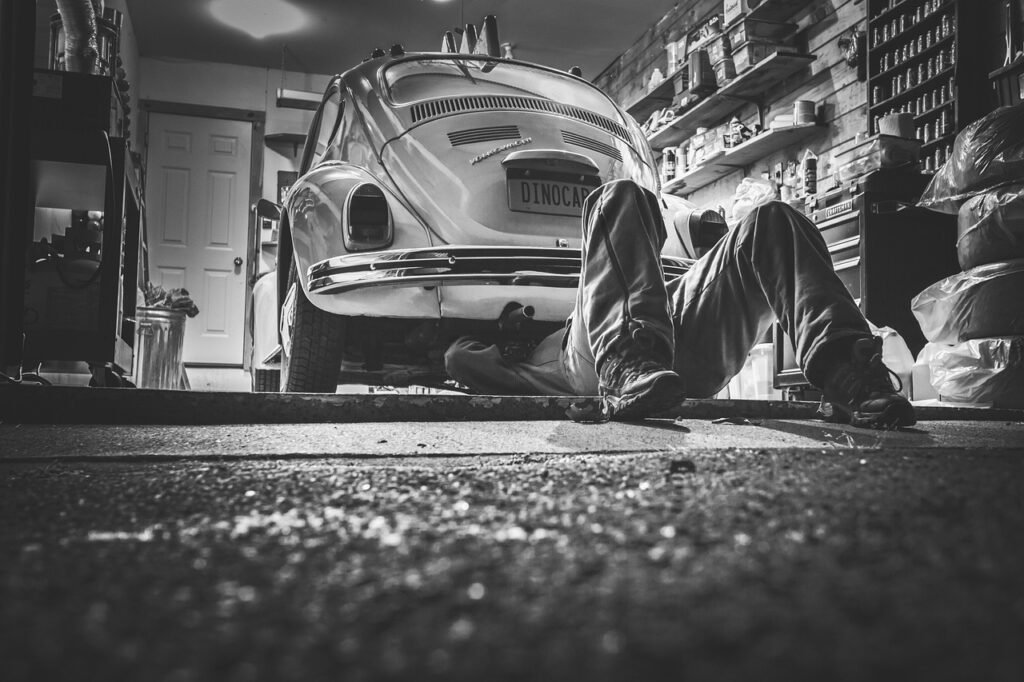
Therefore, you should regularly check, clean and refill your wheel bearings with the recommended grease during your regular major maintenance visits.
Check the brakes
Classic car brakes are important to ensure that your classic car remains in good condition. This is not the place to grab, as they help keep your car safe and retain its value.
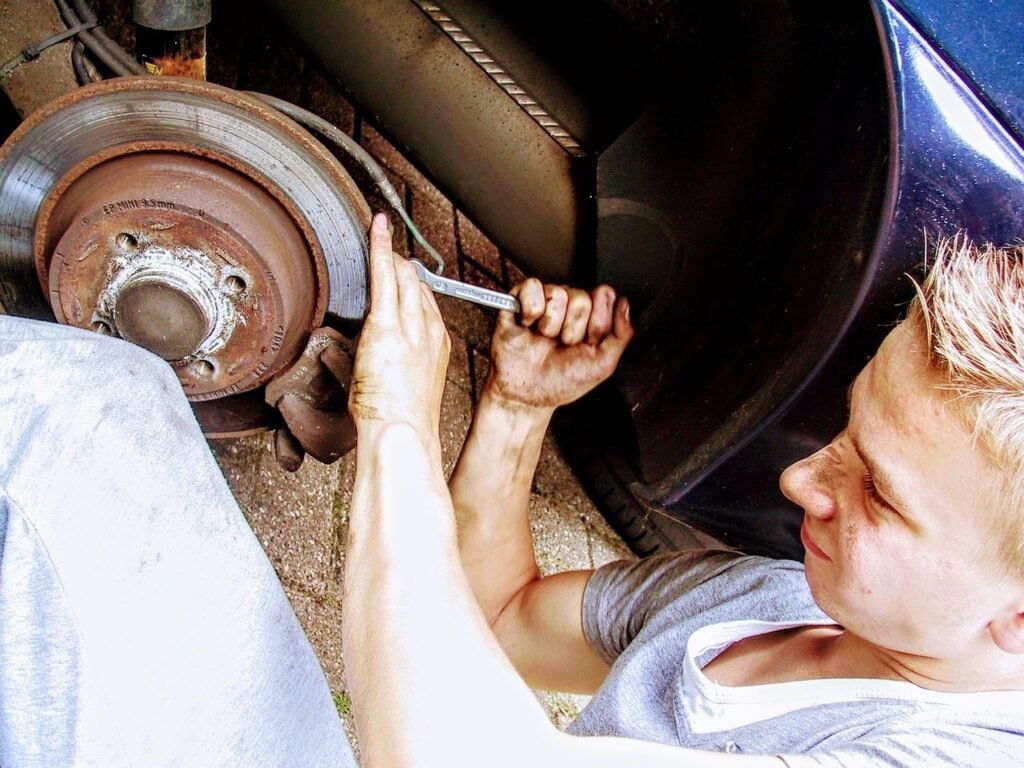
Have an experienced mechanic bleed your brakes at least twice a year and check that the brake pads on your brake discs are not unevenly worn.
Advantages of bringing your classic car to Miliot’s car workshop
Their first class service and professionalism is second to none, giving you peace of mind at every step of your classic car repair and maintenance.
If you’re having any issues with your classic car, contact Miliot’s Auto Repair and bring your vehicle in to ensure it’s in top condition before hitting the streets of Chicago!
Restomod and aftermarket upgrades
While classic car restoration can certainly involve repairing or replacing broken parts with period options, some classic car owners prefer aftermarket upgrades.
Popular modern features on classic vehicles include air conditioning and speaker systems.
Additionally, some classic car owners choose to upgrade the mechanical aspects of their classic cars to improve driving performance.
For example, replacing an old engine with a newer, more powerful engine can improve fuel economy and speed. Likewise, improving the transmission and brakes can make a classic car easier to drive.
Classic car mechanic
Not all classic cars are everyday cars. However, if a classic car owner wants to use a classic vehicle on a regular basis, it is advisable to contact a mechanic who is familiar with classic car maintenance and minor repairs.
Again, there is a big difference between minor repairs and a full restoration project.
While restoration professionals can perform extensive body, mechanical, and interior repairs, a restoration shop may not be the best place to do things like changing your oil or rotating your tires.
However, keep in mind that not all mechanics have the tools or experience needed to service classic cars. So keep this in mind if you have a minor accident or if your car needs minor adjustments.
Summary: If your car needs major upgrades or repairs, visit a restoration shop. If you only need minor adjustments, find a mechanic near you who can service classic cars.
Contact the professionals
We offer a range of restoration services and are happy to work with a variety of makes and models.2