What is D.A.R.E.? A Simple Guide to the Drug Prevention Program
Here is the complex text written in simple words:
This is your 1,000-word blog post about the Drug Abuse Resistance Education Program (D.A.R.E.), structured and ready to be published.
D.A.R.E.: What It Is, How It Works, and Why It Still Matters Today
The Drug Abuse Resistance Education program—better known as D.A.R.E.—is one of the most famous programs designed to stop young people from using drugs.
Since the early 1980s, millions of students around the world have taken D.A.R.E. classes, which are taught by specially trained police officers.
The main goal of D.A.R.E. is simple: to teach young people the skills and knowledge they need to say no to drugs, avoid violence, and make good choices.
Over the years, D.A.R.E. has changed to match new drug problems, the latest school research, and the issues kids face today. This article will explain what D.A.R.E. is, its good points, why some people criticize it, and why it is still important for communities now.
What is the D.A.R.E. Program?
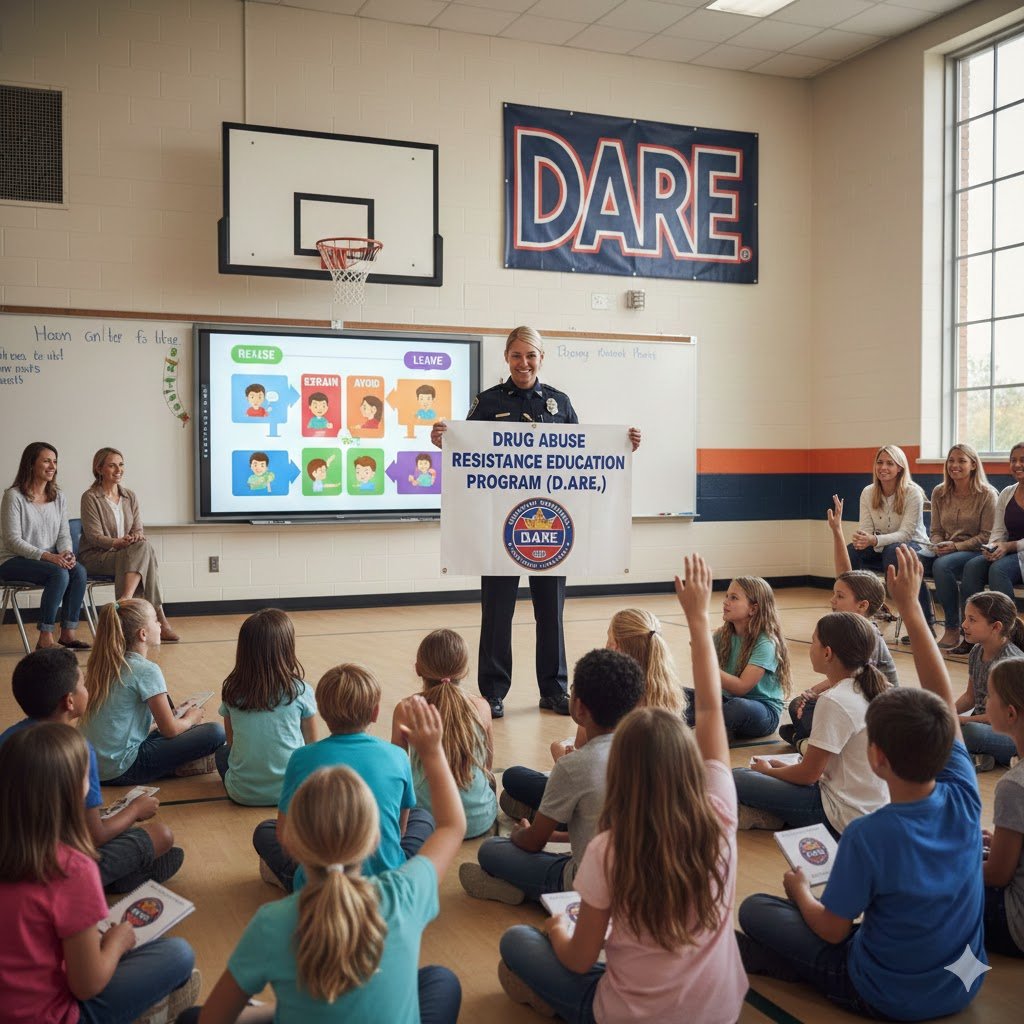
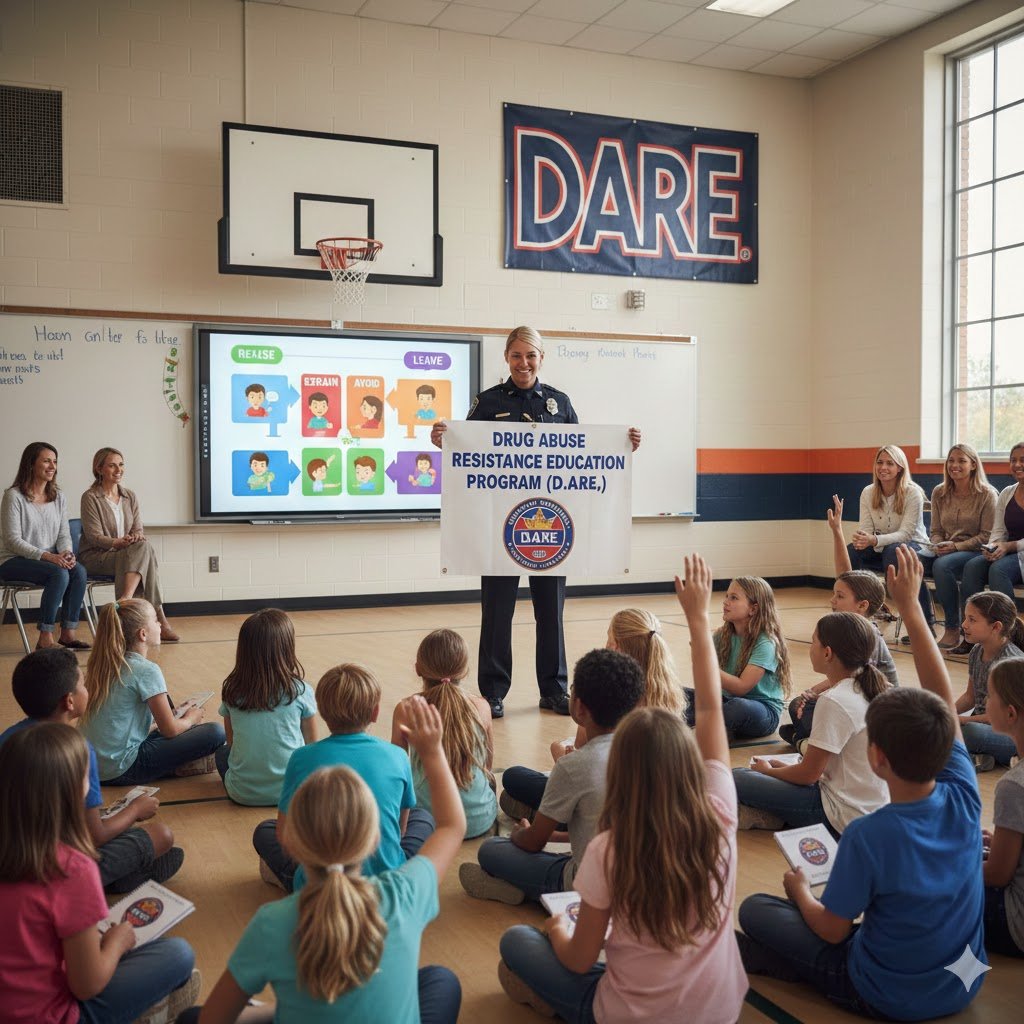
D.A.R.E. is a program taught in schools that aims to show students how to stand up to peer pressure and live healthy, drug-free lives.
It started in 1983 in Los Angeles as a team effort between the police and the schools. The original idea was to have a trusted, trained police officer teach kids about drugs, making decisions, and staying safe.
Today, D.A.R.E. is used in thousands of schools in over 50 countries. The main lessons focus on:
- Knowing about drugs and alcohol
- Making good choices
- Saying no to peer pressure
- Solving conflicts
- Learning to communicate and feel confident
- Stopping bullying
These lessons are usually taught to students in elementary and middle school, with different versions for older students and parents.
How D.A.R.E. Has Changed (From Lectures to Science)
In the beginning, D.A.R.E. was criticized because it mostly used lectures and tried to scare kids. Research suggested this wasn’t the best way to teach.
Instead of quitting, D.A.R.E. changed its approach.
In 2009, D.A.R.E. introduced a completely new program called “keepin’ it REAL.” This updated curriculum was created by scientists who study prevention and uses proven teaching methods. It focuses on active learning, role-playing, and real-life examples.
The new program teaches students four simple steps:
- R — Refuse (Say no)
- E — Explain (Say why)
- A — Avoid (Stay away from bad situations)
- L — Leave (Walk away)
This new, research-backed method helps students feel strong enough to make safe choices, and studies show it leads to better decisions and less risky behavior.
The Main Goals of D.A.R.E.
D.A.R.E. is about more than just telling kids, “Don’t do drugs.” Its goals are about building stronger, safer communities:
- Stop Drug Use: D.A.R.E. teaches students about the dangers of illegal drugs, alcohol, tobacco, misusing prescription drugs, and new problems like vaping. It explains how drugs hurt the brain and long-term health.
- Teach Good Decision-Making: Students learn a simple process for making choices:
- What is the problem?
- What are my options?
- What choice will I make?
- How did that choice turn out?This teaches them how to think critically about any problem.
- Build Trust with Police: D.A.R.E. officers become friendly, familiar faces in schools. This helps students trust the police and feel comfortable asking for help when they need it.
- Teach Life Skills: The program focuses on important personal skills like:
- Self-confidence
- Managing stress
- Talking clearly to others
- Handling disagreements
- Understanding how others feel (empathy)These skills help students deal with everyday pressures and have healthy friendships.
Why D.A.R.E. Is Still Important Today
The world has changed a lot since the 1980s. With social media, more stress, mental health issues, and new synthetic drugs, young people face new dangers. Despite these changes, the core ideas of D.A.R.E. are still vital.
- More Youth Substance Use: Many places are seeing a rise in vaping, cannabis use, and exposure to opioids or misuse of medicine. D.A.R.E. is crucial for teaching awareness and prevention early on.
- Mental Health Focus: The modern D.A.R.E. program teaches kids how to cope with stress, control their feelings, and manage worry. This makes it helpful not only for preventing drug use but also for overall mental well-being.
- Community Strength: D.A.R.E. brings together schools, families, police, and community leaders. This team effort creates a bigger, better effect on the health and safety of the whole community.
Criticism and How D.A.R.E. Improved
Like any big program, D.A.R.E. has been criticized. Early studies said the original classes didn’t really lower drug use. Some critics also felt that having police lead the program could be scary for some students.
However, the organization listened and made improvements by:
- Changing the lessons based on scientific studies.
- Working with researchers.
- Using more interactive, real-world, and culturally sensitive classes.
- Switching from teaching based on fear to teaching based on skills.
Because of these changes, the newer D.A.R.E. programs are showing much better results in students’ behavior and what they learn.
The Big Role of Parents
Even though D.A.R.E. is a great school program, parents are the most important part of making these lessons stick. Parents can help by:
- Talking openly with their kids about drugs and peer pressure.
- Showing good, responsible behavior themselves.
- Making sure their home is a safe and supportive place.
- Encouraging healthy friendships and activities.
- Staying informed about the latest drug trends.
D.A.R.E. also provides materials to help parents continue these vital conversations at home.
Final Word: D.A.R.E.’s Continuing Importance
The Drug Abuse Resistance Education program has come a long way. By using new ideas, research-based methods, and working closely with communities, D.A.R.E. continues to help millions of students worldwide. Its focus on making good decisions, communicating well, and believing in yourself is about much more than just avoiding drugs—it prepares young people for all of life’s challenges.
As long as drug problems and peer pressure exist for young people, programs like D.A.R.E. will be a key part of creating safer and healthier communities.
I can also create:
✅ A shorter version
✅ A social media post
✅ SEO title + description
✅ A rewritten version in a different tone
Just tell me what you’d like next.