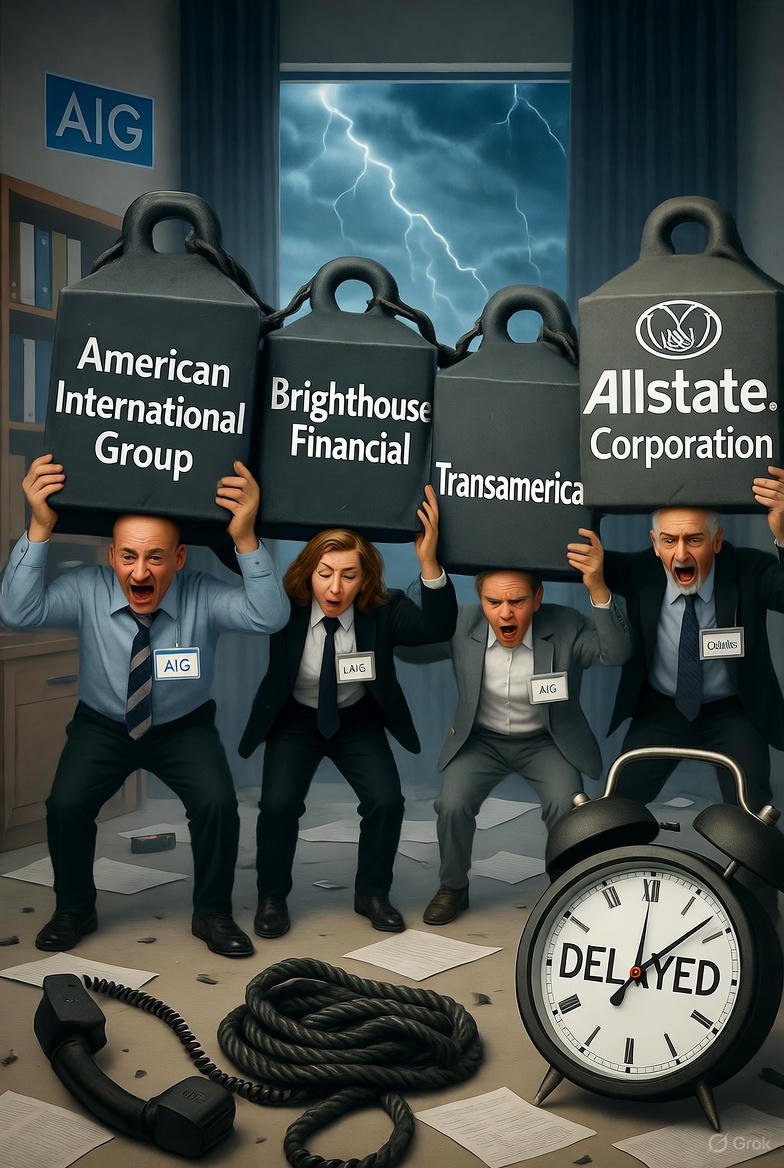
Introduction
When you buy life insurance, you sign a long-term deal. You pay money now, hoping the company will help your family later if something happens to you. But some companies fail. They have bad service, unclear rules, sudden price increases, or problems paying claims. In this post, we look at what makes a life insurance company “bad” and name a few that often get complaints.
What Makes a Life Insurance Company Bad?
Before we name companies, here are the warning signs, according to experts:
- Weak money strength: If the company is not strong financially, it may not pay claims years later.
- Bad service or claim problems: Slow payments, denied claims, confusing rules, or pushy sales.
- High cost, low value: Prices go up a lot, or you get little benefit for what you pay.
- Not honest: Selling policies with false promises, like “great investment” that isn’t clear.
A “bad” company for one person may be okay for another. But these signs mean be careful.
Companies Often Called Problematic
Here are some life insurance companies that show up a lot in bad reviews. Note: They are not fake or hopeless, but they have more risks and complaints than most.
American International Group (AIG)
A huge global company, but it ranks near the bottom in customer happiness studies.
- Very low score in J.D. Power survey (about 20th out of 21 companies).
- People complain about hard interactions, unclear terms, and service issues.
Brighthouse Financial
Started from MetLife in 2017. It also scores very low in surveys.
- Policies are complicated.
- Low happiness scores.
- Not great ratings from Better Business Bureau.
Transamerica Corporation
An old company in life insurance, but it ranks low in some studies:
- J.D. Power score: 747 out of 21 companies (average is 776).
- Complaints: Hard to cancel, poor communication, confusing products.
Allstate Corporation
Better known for car and home insurance, but its life insurance gets bad marks too.
- Seen as tough on claims and denials.
- Bad reputation from other insurance areas affects life products.
Why Be Careful
Even with okay companies, always check:
- Read all details: Know what is not covered, waiting periods, price hikes, or penalties if you stop.
- Check ratings: Use A.M. Best, S&P, or Moody’s. Pick “A- or better.”
- Avoid fake investment promises: Some policies say they build wealth but have high fees and long lock-ins.
- Look at complaints: Many issues with claims or service? Big warning.
- Fit your needs: Don’t buy complex plans just because an agent pushes. Simple term life is often better for young, healthy people.
Real Problems from Customers
People report these issues:
- Long waits for claims or answers.
- Wrong selling: Agents say “cancel anytime and get money back,” but it’s not true. One person said: “They sold me two same policies… I lost 30% in 5 years.”
- Low cash value: Pay a lot, quit later, get back very little.
- Big name doesn’t mean good service.
What to Do Instead
- Pick a simple term life policy from a strong company.
- Read every paper. Look for words like “contestable period,” “suicide rule,” “price changes.”
- Keep your own records and update who gets the money.
- Check your policy every few years—your life changes.
- Get quotes from many companies. Compare price, rules, flexibility, and reputation.
Conclusion
Life insurance is great—it protects your family when done right. But a bad company can cause stress, waste money, or fail when needed most.
The companies we named—AIG, Brighthouse Financial, Transamerica, Allstate—often have issues with service, claims, or value. Don’t ignore them completely, but check extra hard and do your research.
If you want, I can share a full list of the 10 worst life insurance companies worldwide (or just for Pakistan/Asia) with complaint numbers to compare. Helpful.